

The Foundation set out to build a digital experience organized around how people seek help, and a five-year strategy to deliver it. Like most organizations with a rich portfolio of programs, the Foundation's digital presence had grown program by program over time.
The next step was clear: bring that support together into one connected experience, organized around users' real-life needs, so no one misses help they qualify for.
Together we set out to:




By co-creating directly with 103 low-income older adults and caregivers, we grounded every strategic choice in real user needs. That included the decisions not to build things, like a personified chatbot and a logged-in experience, that tested poorly despite internal enthusiasm.
The plan sequences three opportunity areas into a Now / Next / Later roadmap:
Built-in pivot points let the Foundation move quickly while adapting to a changing environment.
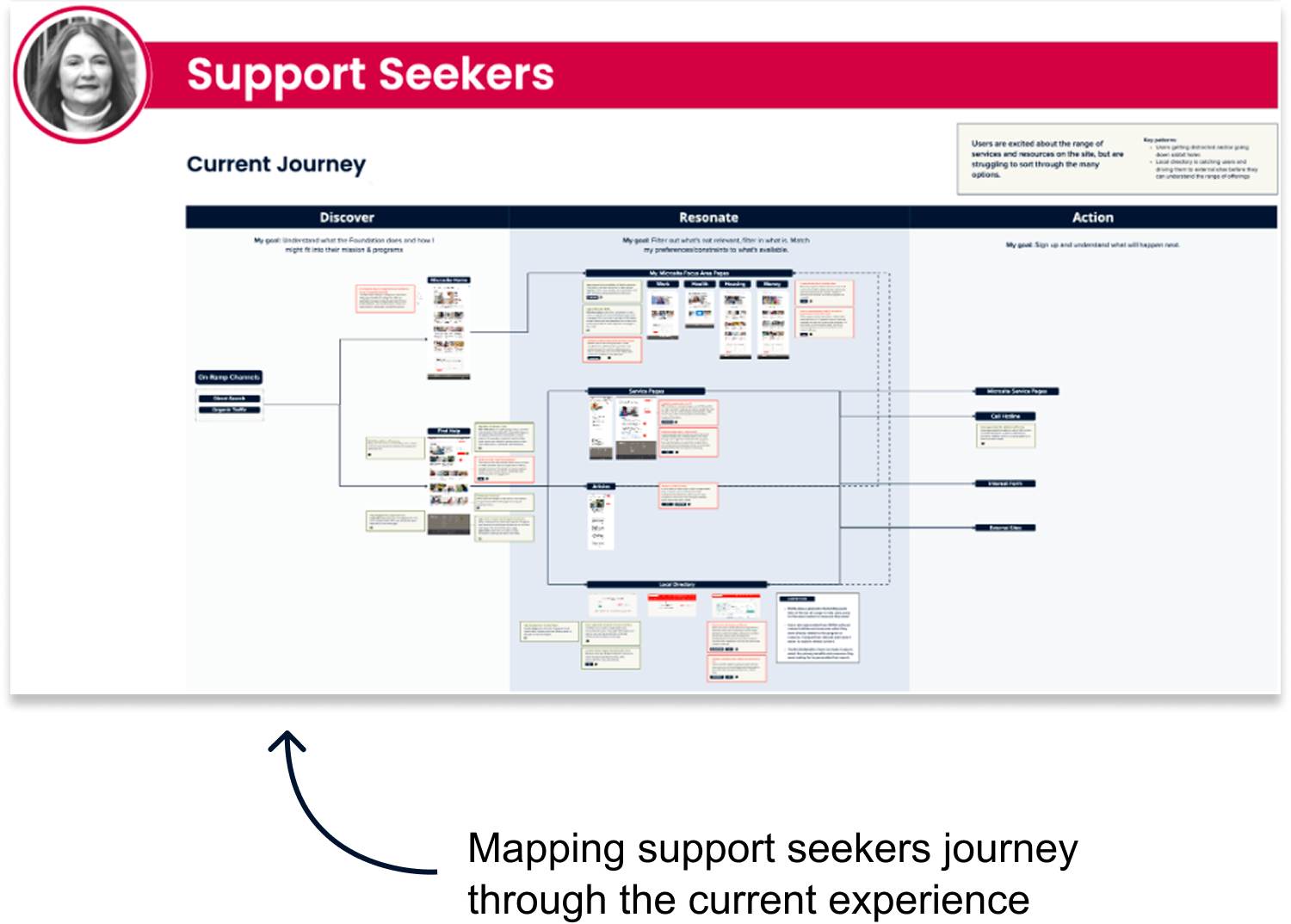
We mapped where eligible support seekers were giving up, turning a vague sense that “digital could work harder” into a prioritized set of problems to solve.
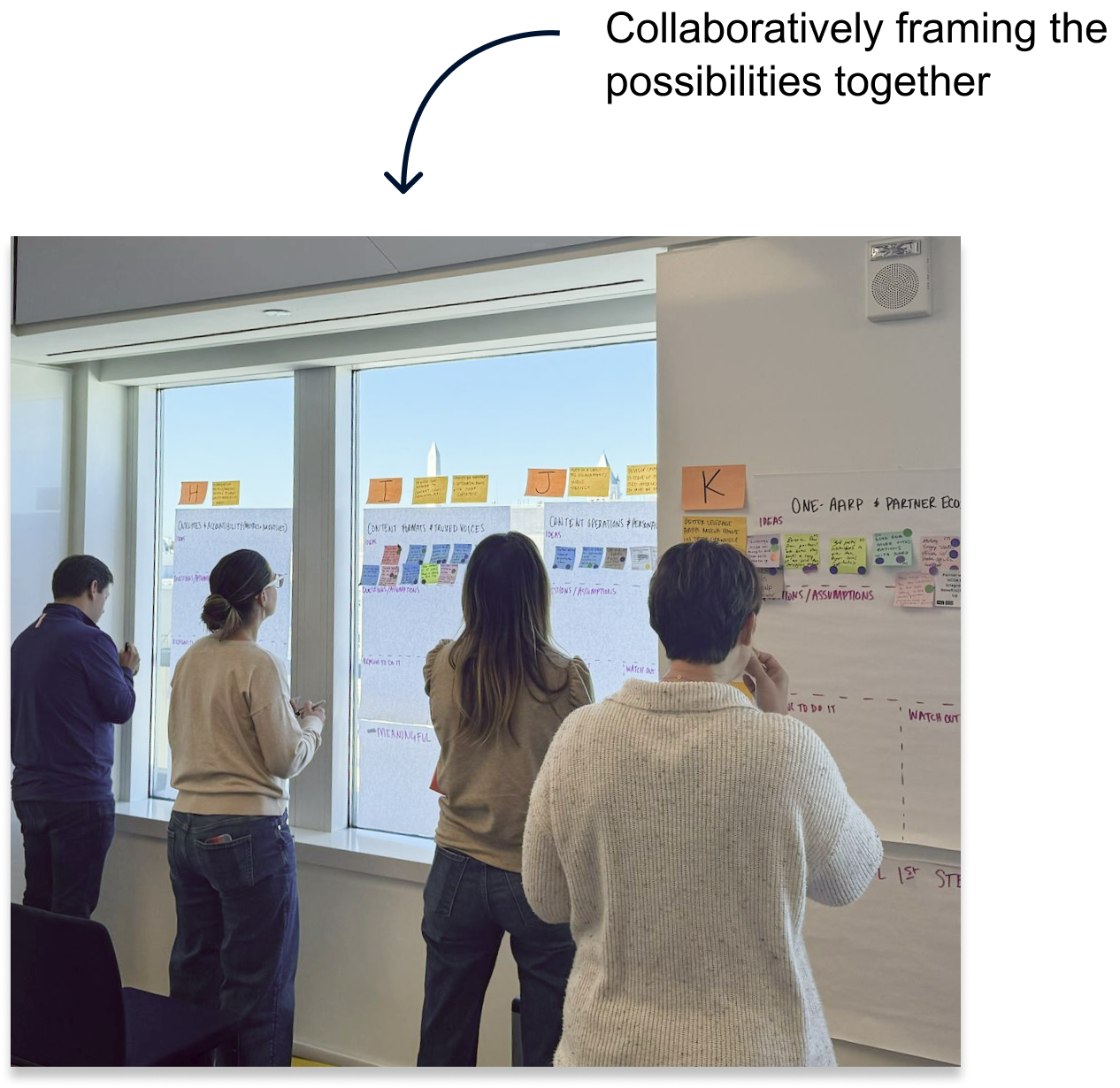
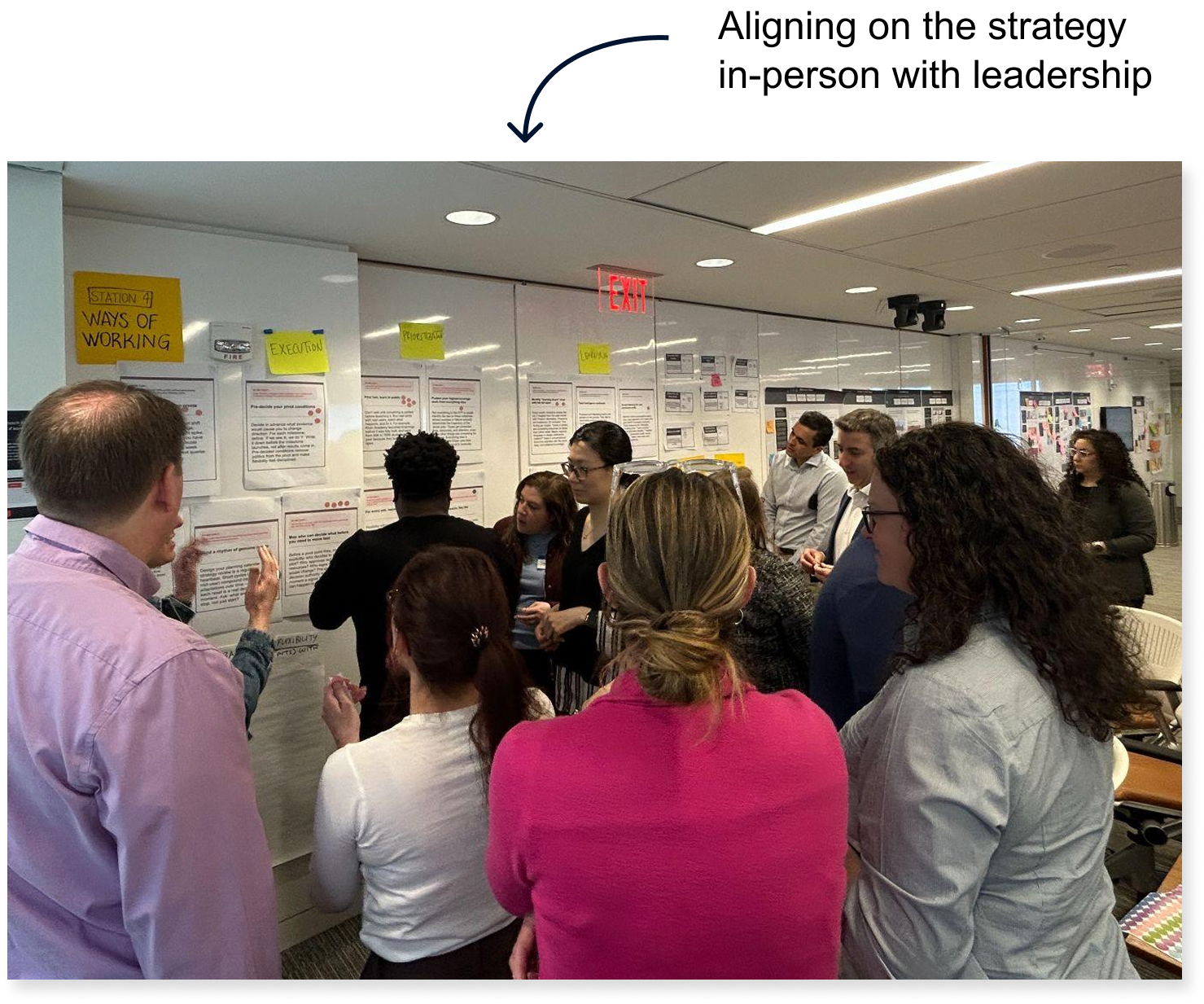
A hands-on workshop brought Foundation teams in early to generate ideas and agree on shared questions, so alignment was built in from the start.
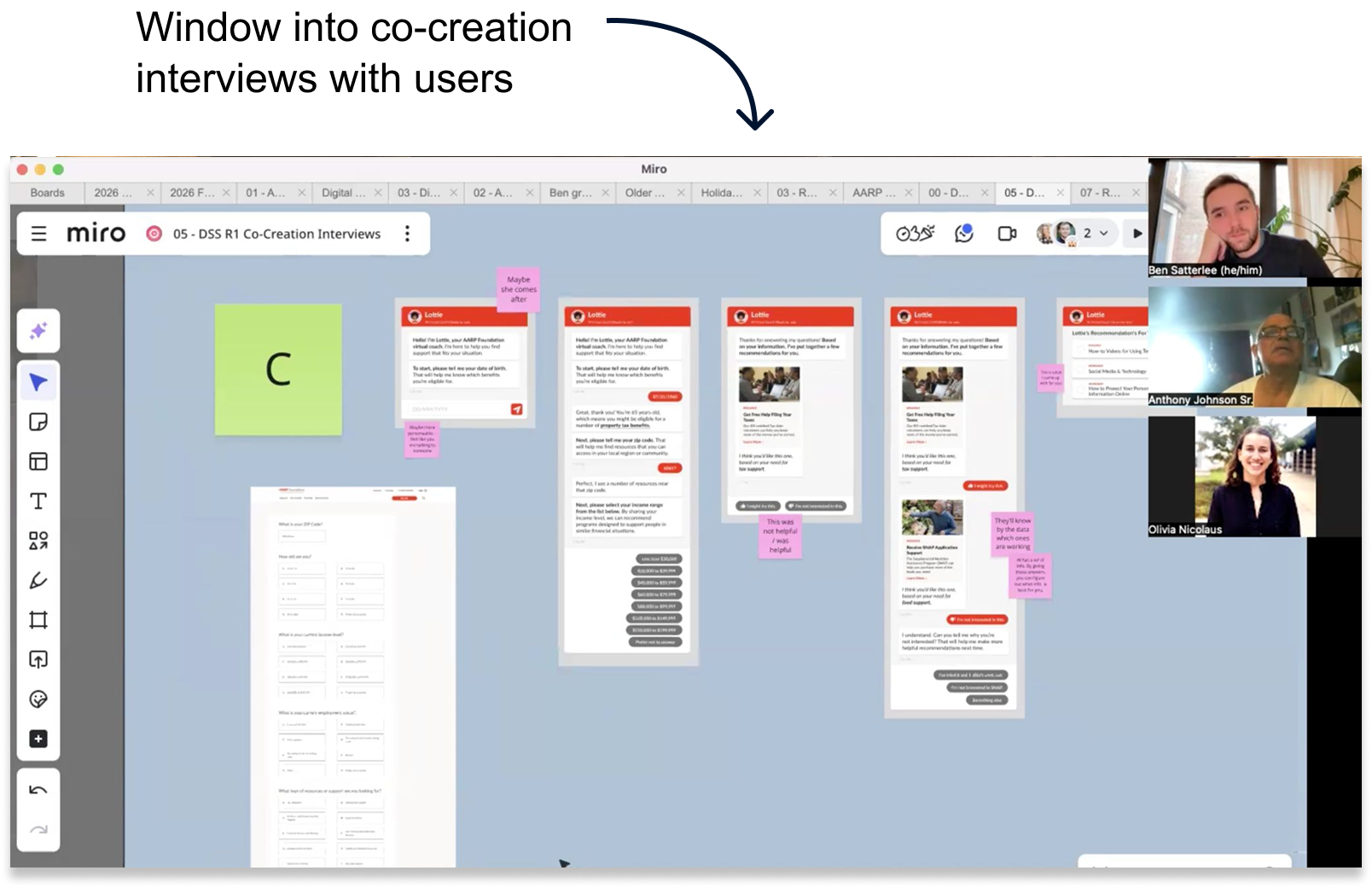
Building alongside 103 low-income older adults and caregivers grounded every decision in real user needs. Users designed their ideal experiences directly, and confirmed which existing programs were already resonating most.
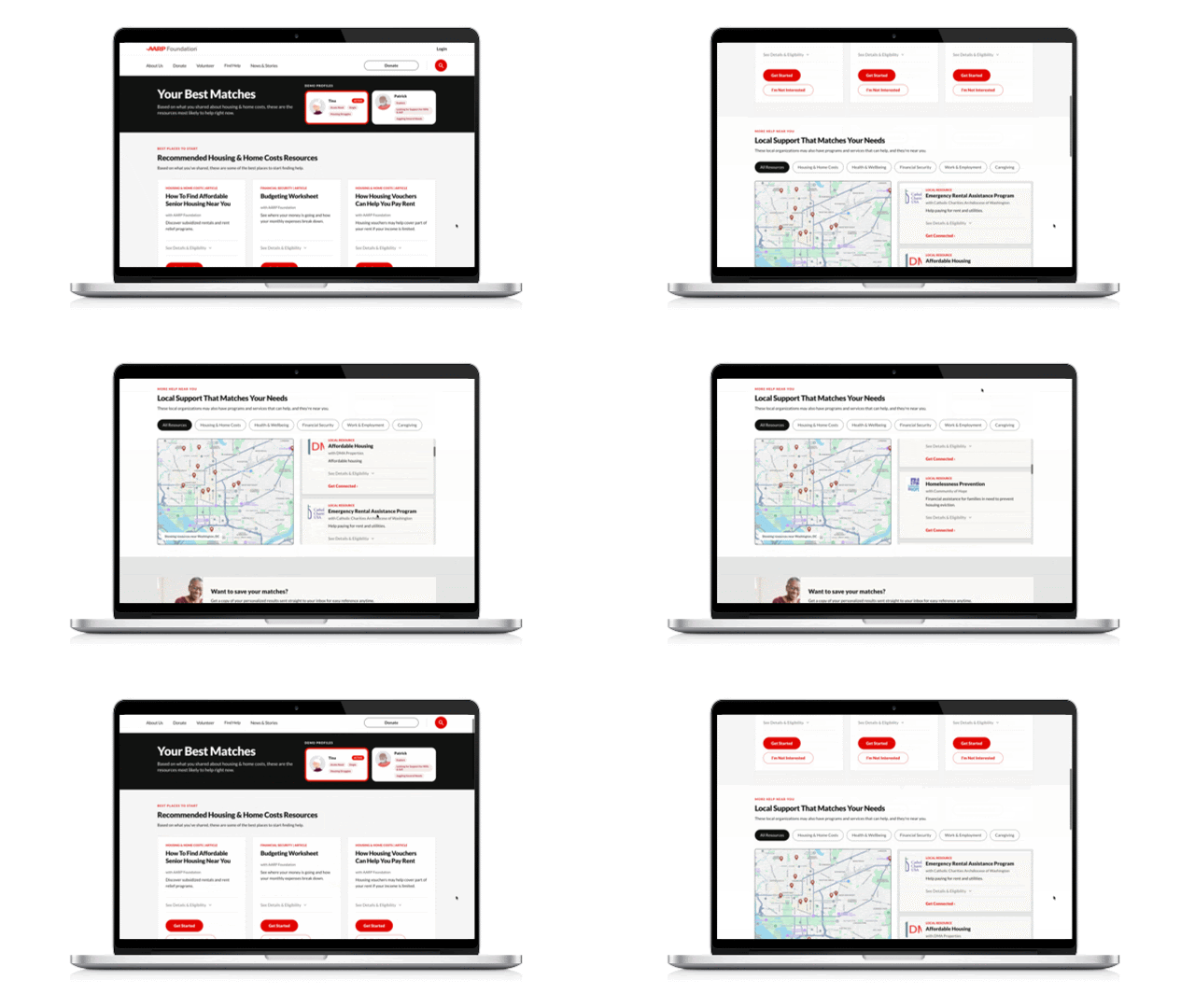
A realistic simulated site let users react to the future as if it were live. That gave us build-level confidence in six priority features, including AI-enabled Smart Search, before writing any production code. Every roadmap investment traces back to what users actually did.
The engagement ended with execution already in motion: a 5-Year Plan, an 18-month work plan with named wins, and milestone-based pivot points that let leadership adapt as conditions change.


